
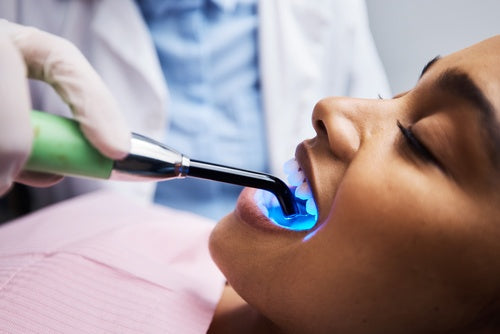
Using Snus is less dangerous than smoking, but there are still situations where you should avoid Snus or pause consumption for a while. Since Snus is used orally, it can cause damage in the mouth. We explain how long you should avoid Snus after a wisdom tooth surgery.
The most important points in brief:
● Nicotine irritates the gums and can constrict blood vessels
● No Snus should be used for one week after a wisdom tooth surgery
● The wound should be completely healed before consumption is resumed
● Blood clots can be destroyed by nicotine, which leads to delayed healing
Snus after wisdom tooth surgery: When is it allowed again?
Snus contains as its main ingredient ground tobaccowhich contains nicotine in varying amounts. Nicotine causes blood vessels to constrict and reduces blood flow in the body. When using Snus, the product has direct contact with the Gums and can thus cause circulatory disorders in the mouth area.
After a wisdom tooth surgery, an open wound forms at the site of the removed tooth, which usually closes only after one or two weeks. This is just the superficial wound, because the Opening in the jawbone can take anywhere from one to six months to fully close.
If Snus comes into contact with the wound, it can cause severe irritation. Additionally, consumption prolongs the healing process and bacteria can more easily enter the opening. Besides nicotine, Snus also contains some chemical substances that pH level in the mouth can change. In both acidic and alkaline conditions, inflammation can occur.
After a wisdom tooth surgery, you should ideally avoid using Snus for at least one week. You should be aware that healing is slowed down by Snus use and that the blood clot can be dislodged due to pressure on the gums.
What else you should consider after wisdom tooth surgery
If you start using Snus again after wisdom tooth surgery, you should not place the pouch on the area with the open wound. Begin with a mild variety so the gums can recover. If you need painkillers after the surgery, nicotine should under no circumstances be consumed additionally, as this can cause a blood clot to form.
Rinse your mouth regularly with lukewarm salt water because it has antibacterial and anti-inflammatory effects. If in doubt, you should definitely ask your surgeon how and when Snus may be used.
What else should be considered in oral hygiene
Whether or not you have had dental surgery: thorough oral hygiene is always important when using Snus. Since Snus contains tobacco, it can stain your teeth yellow or brownish. You should regularly brush your teeth, use dental floss, and visit the dentist for check-ups.
A Snus break should be taken after wisdom tooth surgery
After wisdom tooth surgery, it is important to stop using Snus for a while. The ingredients in Snus irritate the gums too much and delay wound healing. You should completely avoid using it for at least one week. After that, you should start with very mild products and avoid placing the pouch on the side where the wound is located.
Important Notice
The information provided in this article is for general educational purposes only and has been compiled to the best of our knowledge from publicly available sources. It does not in any way replace professional medical advice, diagnosis, or treatment by a doctor or dentist. Every healing process is individual. If you have questions, uncertainties, or complaints after a wisdom tooth surgery, always contact your treating doctor or surgeon directly before resuming the use of Snus or other nicotine products.
